Sponsored article
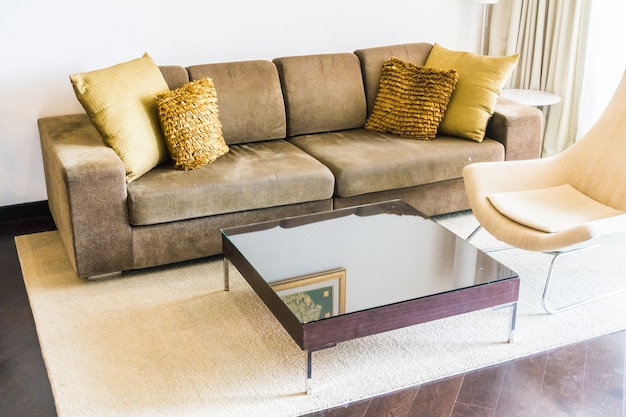
In an era where environmental consciousness is more important than ever, the global push towards sustainable living has reached our homes through innovative fabric solutions for everyday items like sofa covers. As major brands and eco-pioneers collaborate to reduce the textile industry’s carbon footprint, new materials and recycling techniques are transforming the way we think about home decor. Dive into the world of eco-friendly fabric innovations and discover how your choices can contribute to a greener planet.
The textile industry has witnessed a significant shift with the rise of sustainable materials, capturing the attention of eco-conscious consumers. This trend is not just a fleeting fashion; it’s a committed movement towards minimizing our ecological footprint. Sustainable materials, such as organic textiles, are becoming increasingly popular due to their minimal impact on the environment. These eco-friendly fabrics are produced with renewable resources, reducing the reliance on harmful chemicals and excessive water usage, while also significantly cutting down on waste. Their production often involves fair trade practices, ensuring ethical labor conditions.
Moreover, the benefits of opting for these sustainable choices extend beyond environmental preservation. Conscious consumers are drawn to their hypoallergenic properties, making them safe for sensitive individuals. Additionally, sustainable materials offer durability and comfort while aligning with personal values focused on protecting the planet. Here are some reasons why eco-friendly fabrics are the preferred choice:
Brands like Soferia are at the forefront of introducing these innovations to the mainstream market with their meticulously crafted slipcovers for IKEA furniture. By prioritizing sustainable materials, Soferia offers an extensive selection of over 100 fabric and color options that resonate with environmentally and style-conscious consumers alike. As the demand for eco-friendly products continues to grow, it is clear that sustainable materials hold the key to a more responsible and sustainable future in the textile industry.
For more information on this topic, visit https://soferia.co.uk.
Explore the innovative recycling techniques that are reshaping the fabric of eco-friendly living, particularly when it comes to IKEA sofa covers. These pioneering methods transform waste into invaluable resources by reimagining discarded textiles and plastic bottles into upcycled fabrics. Through advanced processes like chemical recycling and fiber regeneration, these materials are broken down and reconstituted to form high-quality, durable fabrics that are perfect for stylish and sustainable sofa covers. Not only do these recycling techniques reduce the reliance on virgin materials, but they also minimize waste, thus significantly lowering the overall environmental impact.
The movement towards upcycled fabrics is a testament to the importance of innovation in sustaining our planet’s future, offering an eco-conscious choice without compromising on style or quality. By choosing sofa covers made from these advanced recycling methods, consumers can contribute to a circular economy, where waste is continually redirected back into production cycles. Ultimately, these efforts not only enhance the appeal of IKEA products but also promote a greener planet.
In recent years, partnerships have become a driving force behind eco-innovation, particularly in the textile industry where global brands like IKEA are leading the charge. By engaging in meaningful collaborations with innovators in the field, IKEA is not only enhancing the sustainability of its product lines but also setting new standards for the industry as a whole. These IKEA collaborations are paving the way for the development of eco-friendly fabric solutions, which are increasingly in demand among environmentally conscious consumers. Through joint ventures and shared expertise, IKEA and its partners are exploring sustainable materials, advancing production techniques, and minimizing environmental impact.
These partnerships are not only beneficial for the environment but also resonate with the growing consumer trend toward sustainability, reinforcing IKEA’s commitment to responsible business practices. As a result, eco-innovation in fabric production is making a significant impact on the market, offering consumers high-quality, sustainable options for their home furnishings. With a focus on eco-friendly textile solutions, IKEA collaborations underscore the potential of partnership-driven advancements, inspiring others in the industry to follow suit.